尸 shī corpse
Similar looking characters : 戶 hù (door)
Alternative traditional form of character: 屍
Made with 3 strokes.
The traditional form is a picture of a person lying down, hence a body
Sounds same
狮 shī (lion) ; 师 shī ; 失 shī (to lose) ; 诗 shī (poem) ; 施 shī (to grant)Different tone
十 shí (ten) ; 时 shí (time) ; 石 shí (rock) ; 实 shí (real) ; 饣 shí (food) ; 食 shí (eat) ; 史 shǐ (history) ; 始 shǐ (to begin) ; 矢 shǐ (arrow) ; 豕 shǐ (pig) ; 是 shì (is) ; 事 shì (matter) ; 市 shì (market) ; 世 shì (life) ; 礻 shì (spirit) ; 士 shì (bachelor) ; 氏 shì (clan name) ; 示 shì (to show) ; 室 shì (room)Radical
Index 44 used in: 局 jú (office) ; 居 jū (to reside) ; 呢 ne (and you?) ; 尾 wěi (tail) ; 屋 wū (house)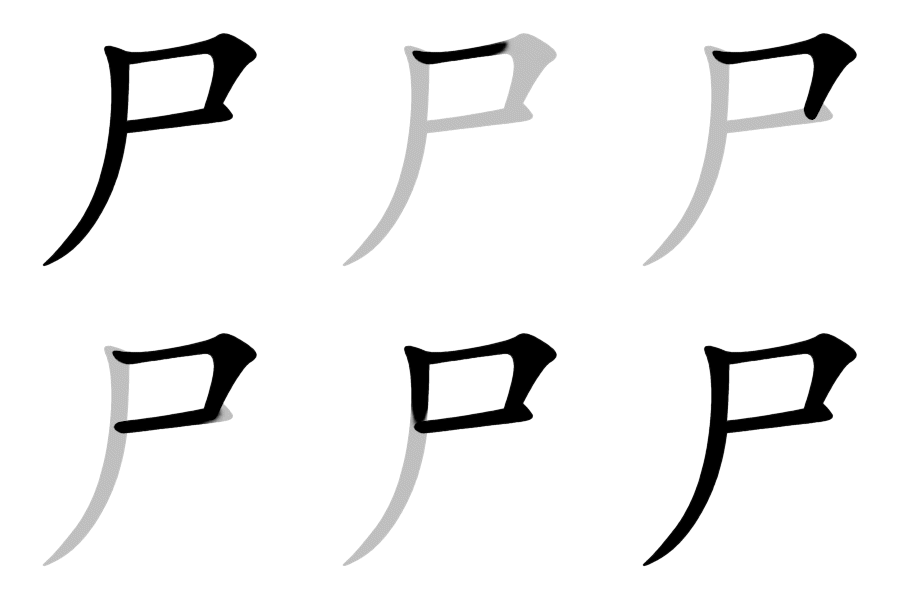
Stroke order for character 尸, kindly provided under Wikimedia creative commons license ➚
Proverbs
行尸走肉 xíng shī zǒu ròu An unworthy person. Someone bereft of value - just a walking body with no active mind.马革裹尸 mǎ gé guǒ shī A wish to die in action on the battlefield. A heroic wish to serve until death.