面 miàn face; side; surface
Made up of [囗 wéi proud; enclosure; upright radical 31, 目 mù eye radical 109]Made with 9 strokes.
Suggests a picture of a mask covering the face with one eye in the middle
Related characters
Also uses 囗 wéi component: 固 gù (hard) 国 guó (country) ; 回 huí (to circle) ; 四 sì (four) ; 园 yuán (park) ; 中 zhōng (centre)
Also uses 目 mù component: 德 dé (virtue) 盾 dùn (shield) ; 睛 jīng (eye) ; 看 kàn (look) ; 冒 mào (to emit) ; 盼 pàn (to hope for) ; 算 suàn (calculate) ; 相 xiāng (each other) ; 直 zhí (straight) ; 自 zì (from)
Different tone
宀 mián (roof) ; 免 miǎn (to escape)Pronunciation
Sound file kindly provided by shtooka.net ➚ under a Creative Commons Attribution Share Alike License
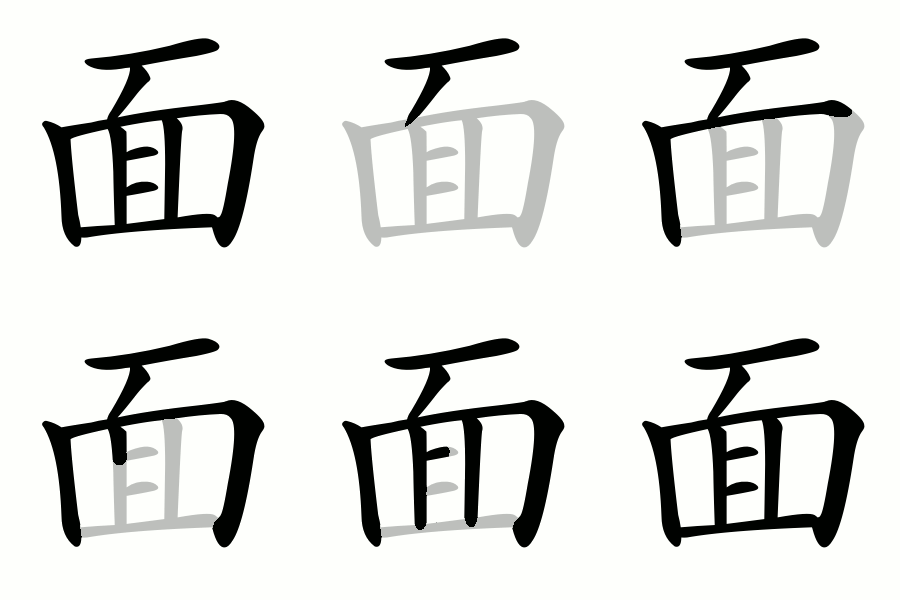
Stroke order for character 面, kindly provided under Wikimedia creative commons license ➚
Proverbs
四面楚歌 sì miàn chǔ gē Ambushed from all sides. Hopeless situation. In the battle of Gaixia ➚ troops surrounding the enemy sang songs of home, breaking their spirit. From the classic Shi Ji from 2,200 years ago. After the end of the Qin dynasty the Han general used this tactic against of the Chu kingdom. The Chu songs persuaded the surrounded Chu forces that the Han must have overrun much of the Chu kingdom already网开一面 wǎng kāi yī miàn To give someone a chance of escape