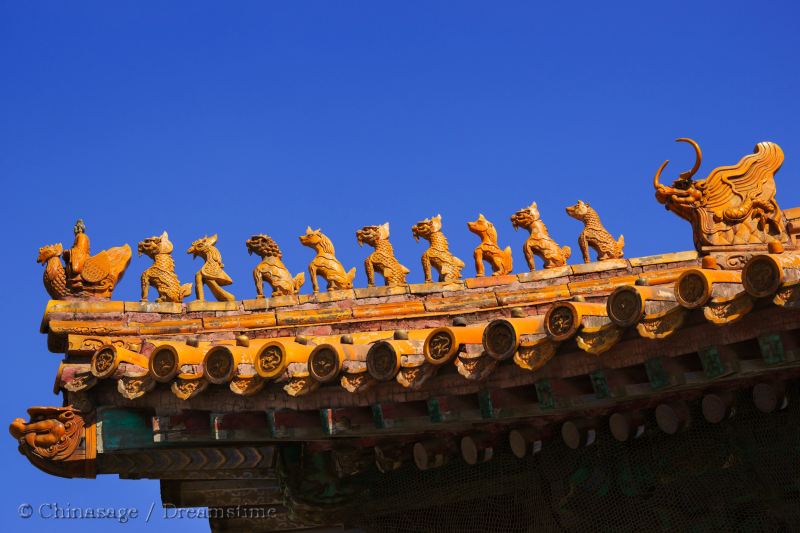
1. Why are there nine mythical beasts behind the 'man on a hen' on this roof?
nine was the Imperial number
ninth Imperial dynasty
nine is a lucky number
Yellow roof tiles can only be used for Imperial buildings as yellow was the dynastic color of the Qing dynasty. As three is a potent yang number the square of 3, nine, is an even more potent yang number. It was associated with the Emperor and many things in the Forbidden City are in nines.
Glazed animal sculptures on the palace roof of the Forbidden City, Beijing
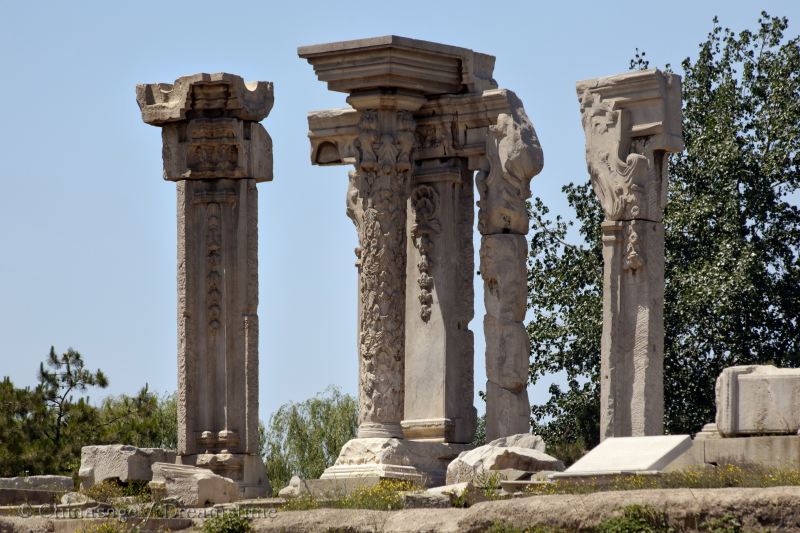
2. These ruins are part of which Imperial building?
Forbidden City
Ming Tombs
Old Summer Palace
The style of the stone ornamentation of the Old Summer Palace shows that it was designed by European architects (mainly Jesuits) working for the Qing Emperors.
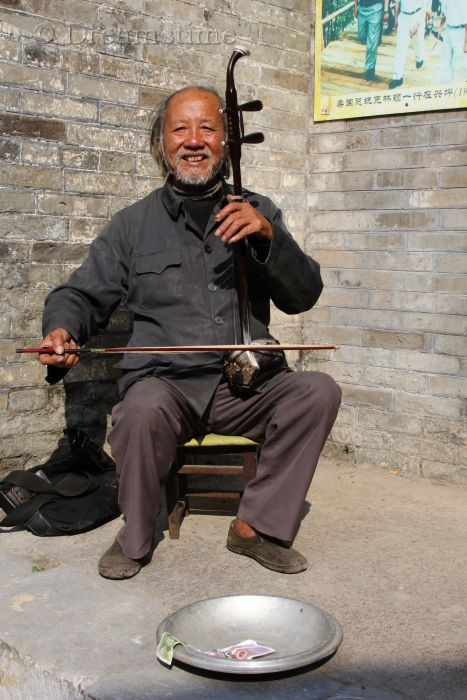
3. Which muscial instrument is this man playing?
erhu
suona
sheng
Erhu is a two stringed violin with the bow string between the two strings. 二胡 èr hú means literally 'two' 'fiddle'. There is a less common instrument with four strings 'sihu'.
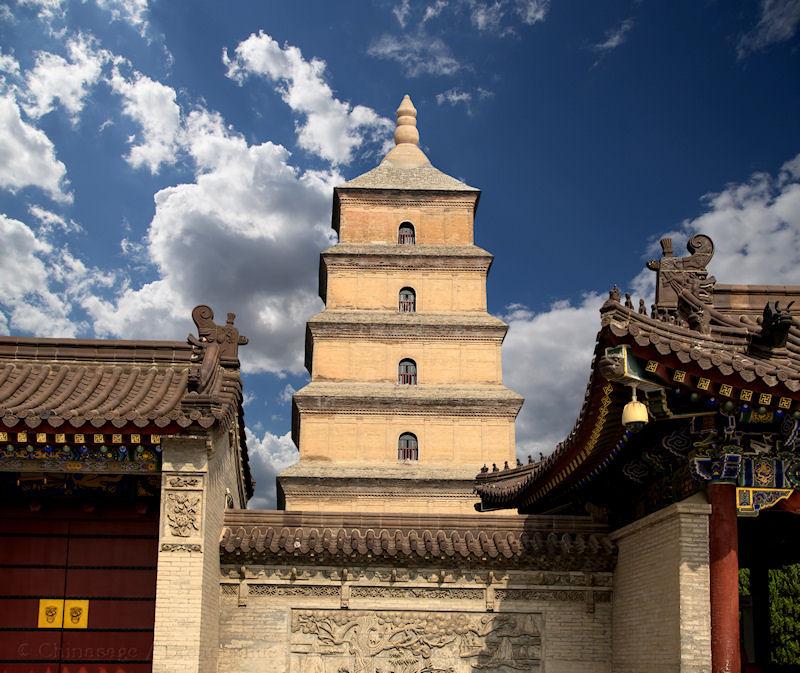
It is the Great Wild Goose Pagoda in Xi’an that was built to house the Buddhist scriptures brought back to China by Xuanzang.
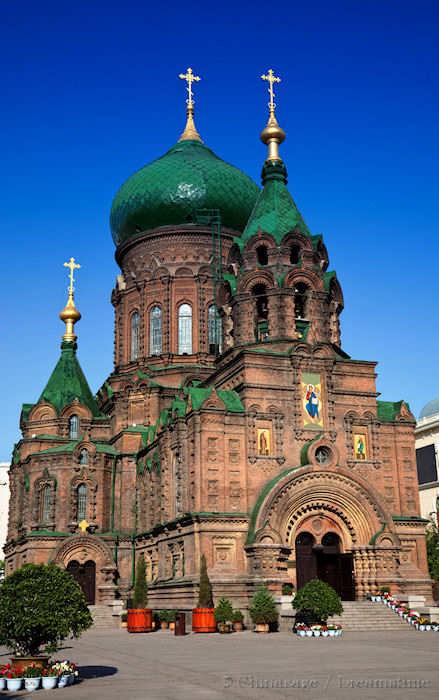
7. This striking church can be seen in which Chinese city?
Harbin
Changchun
Urumqi
The Russian influence in the province of Heilongjiang is quite pronounced reflecting years of Russian domination in the early 20th century. The "onion" domes of the Cathedral of Saint-Sophia, Harbin is a striking example.
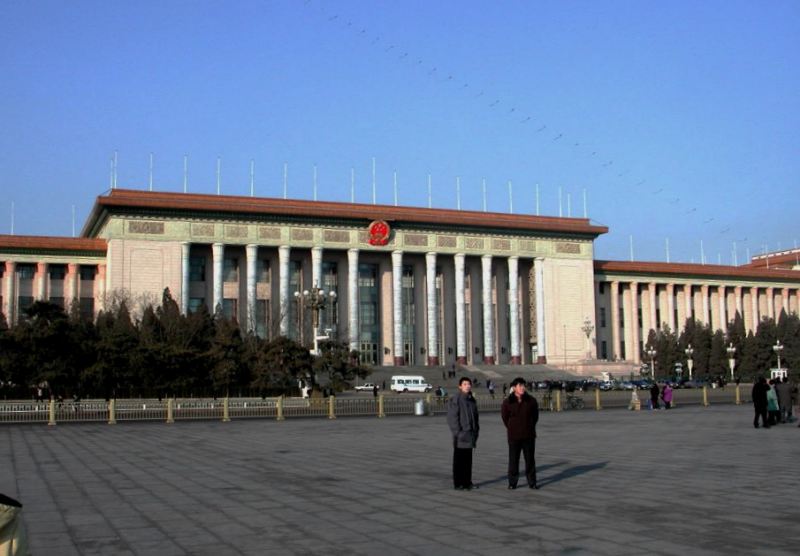
8. This building is known by which name?
Natural History Museum
Presidential Palace
Great Hall of the People
Every province has its own internal hall within the ‘Great Hall of the People’. It lies on the west side of Tiananmen Square, Beijing.
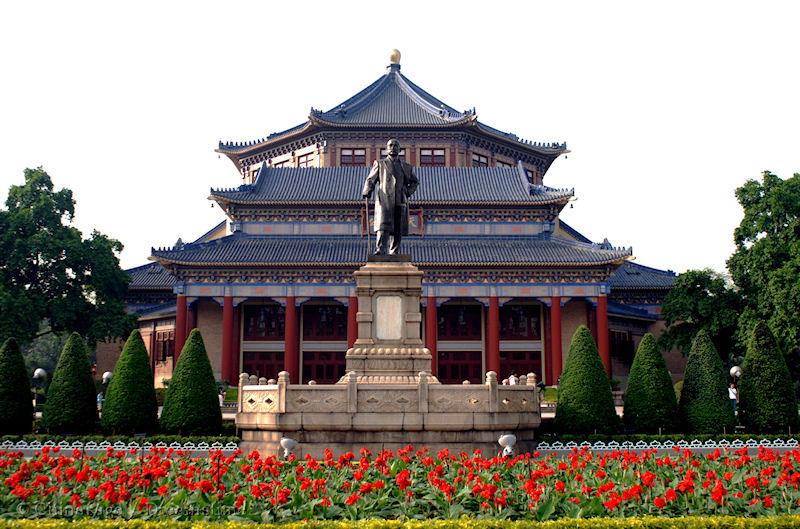
9. This is a memorial hall to which important figure in Chinese history?
Zhu De
Sun Yatsen
Zhou Enlai
The Sun Yatsen memorial hall is in Guangzhou, Guangdong Province; the province where he was born.
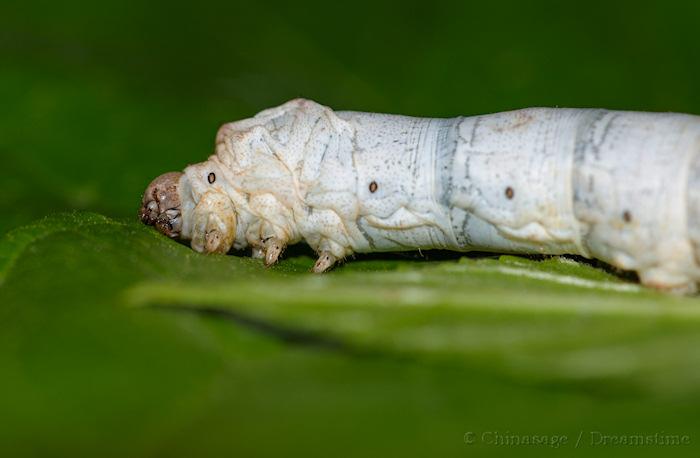
10. Why is this creature so important in Chinese history?
producing lacquer
producing silk
eaten by giant pandas
It is the caterpillar of the silkworm moth that spins a silk cocoon. It is usually fed on white mulberry leaves.
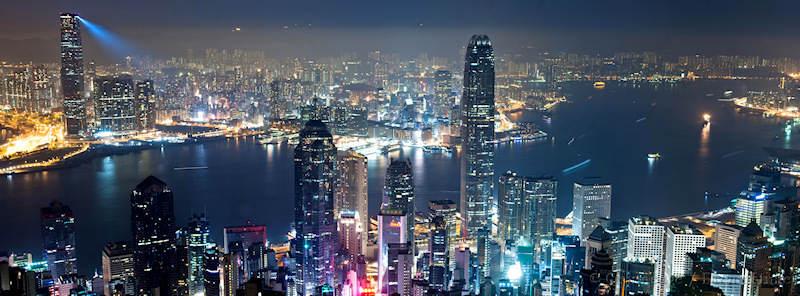
11. Which famous harbor is this?
Hong Kong
Macau
Wuhan
The view is from “The Peak” on Hong Kong island looking over Victoria to Kowloon.
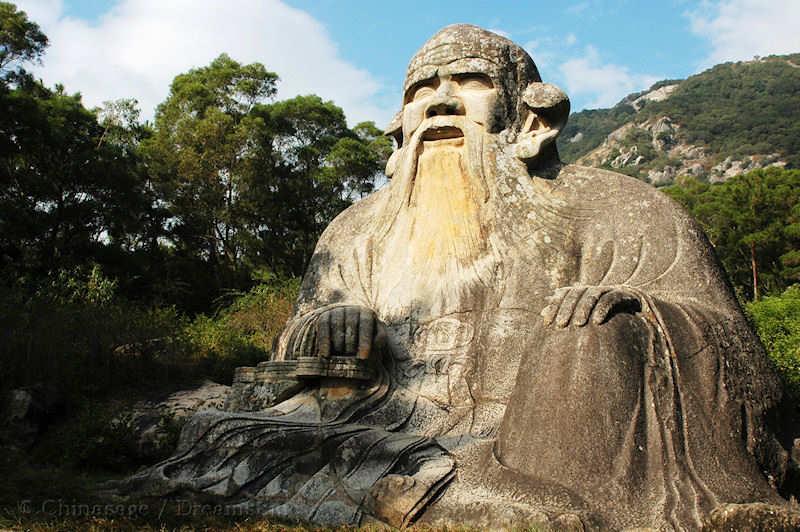
12. Which ancient figure is represented by this massive stone statue?
Confucius
Laozi
Emperor Qin Shihuangdi
Laozi the founder of Daoism is typically depicted as an old man with a long flowing beard.
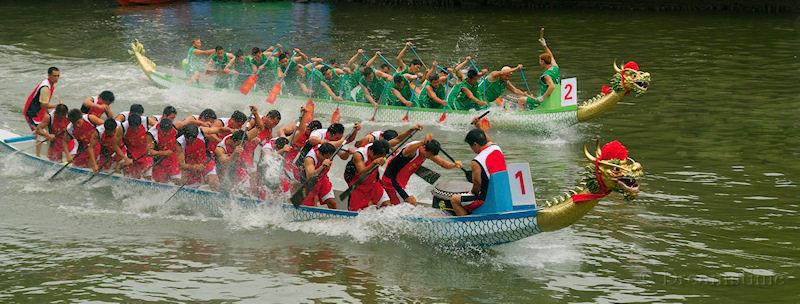
13. In which month might you expect to see this watery spectacle?
April
September
June
The Dragon boat festival falls on the 5th day of the 5th month of the Chinese calendar. This varies in date on the Gregorian calendar but normally falls in June but in some years it can be in late May.
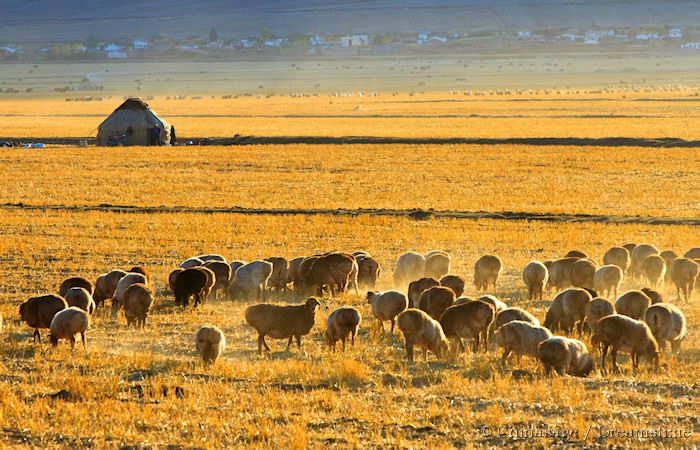
14. In the pastures of Xinjiang sheep are grazing. What is the name of the type of building used by the herdsmen?
yurt
kohte
teepee
The yurt is made from layers of felt draped over a wooden framework. It can be very quickly moved to another location as the herdsmen follow their flocks.
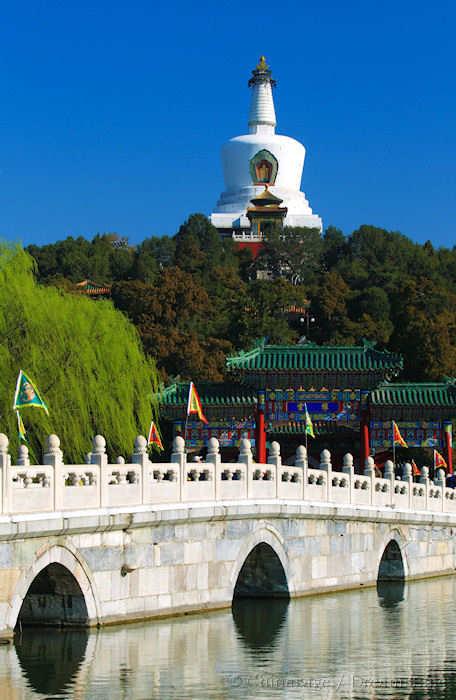
15. Where might you find this famous landmark?
Beihai Park in Beijing
Summer Palace in Beijing
Xi'an
The famous White Dagoba stands in Beihai Park and was built in the Mongol dynasty.
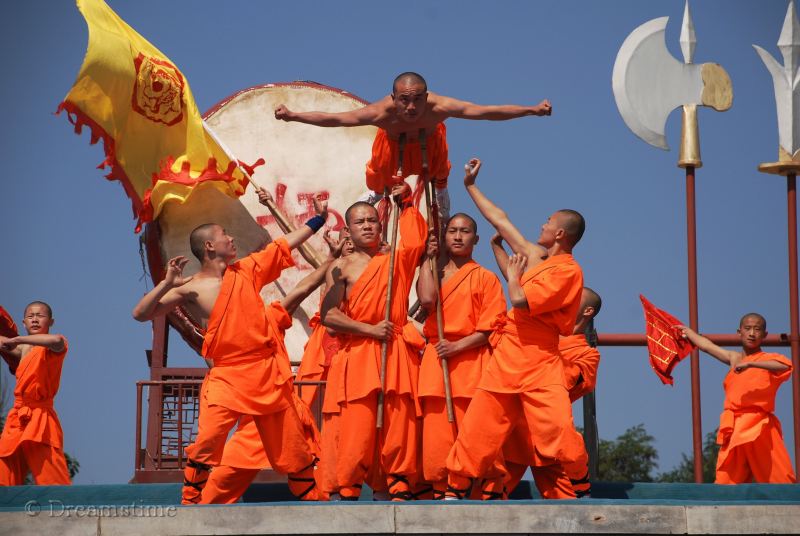
16. This demonstration of Kung Fu is primarily associated with which place?
Lhasa
Lushan
Shaolin monastery
The world famous Shaolin monastery (literally ‘Small Forest Temple’) is close to Songshan in Henan; it was immortalized by the ‘Kung Fu’ series of the 1970s. It is a Zen Buddhist temple and dates back to the Wei dynasty.

 Do you recongize these places in China?