Intermediate level quiz about the geography, history, traditions and language of China (4)
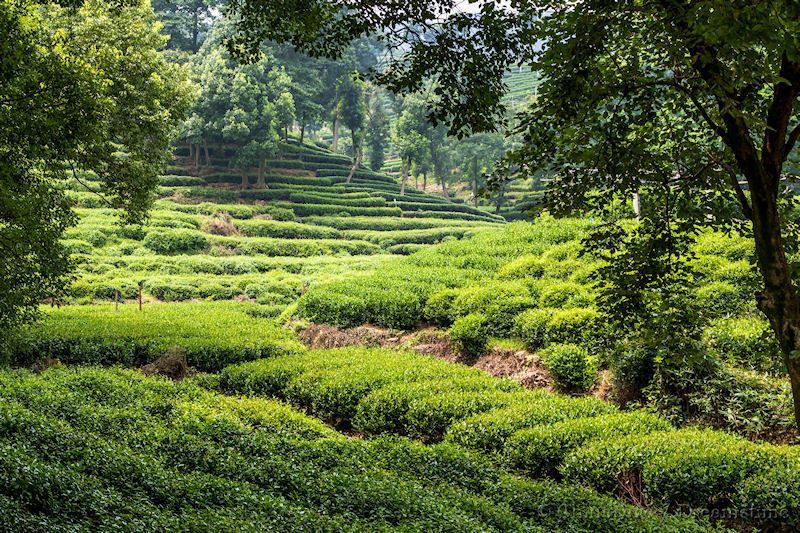
1. Gunpowder tea is a famous export from which province?
Gansu
Yunnan
Liaoning
Zhejiang
Zhejiang is the province associated with production of gunpowder tea. It gets its name because it looks like pellets of gunpowder
2. About how many Chinese characters in common use are all pronounced 'shi'?
100
400
50
5
'Shi' is one of the most common sounds in mandarin Chinese. There are about 50 characters all pronounced 'shi' but spread over the five tones so there are only ten true homophones to take into account. This explains why many English words need two Chinese characters to make them unambiguous in meaning.
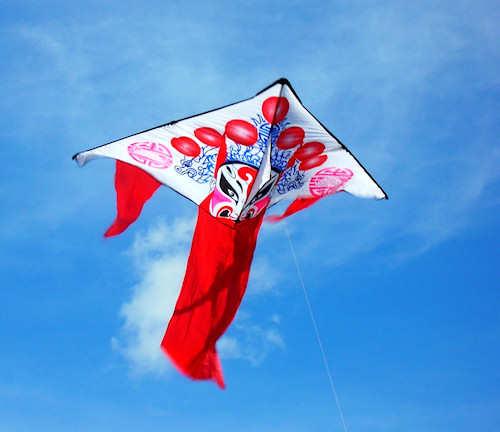
3. What was probably the earliest use for kites?
fishing
carrying supplies
frightening enemies
measuring wind speed
Kites were used in fishing, the kite would trail a line with hooks and bait allowing the kite-flier to fish in areas some way out over rivers or the sea.
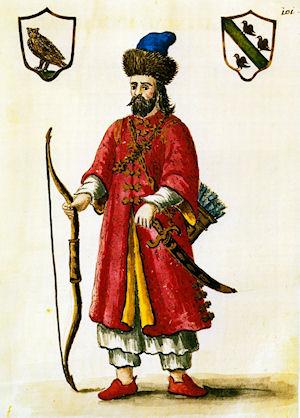
In 1275 Marco Polo and his father and uncle went to China and all three spent 17 years there. On return to Italy he was imprisoned by the Genoese and it was while in prison that he dictated his book, the ‘Description of the World’. It was printed in many editions and languages and promoted a lot of interest and speculation throughout Europe about this vast, rich country far away.
Marco Polo in Tartar costume. Source: Scann? de Coureurs des mers, Poivre d'Arvor.
Photo by Grevembrock, available under a Creative Commons license ➚.
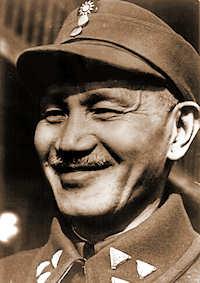
5. Chiang Kaishek is associated with which event in 1936?
Kidnapping at Xi'an
Meeting with Mao Zedong
Battle with Japanese
Retreat to Chongqing
Chiang was kidnapped by his own generals at Xi'an, Shaanxi to force him to form to form a united front with the Communists against Japanese occupation of Manchuria
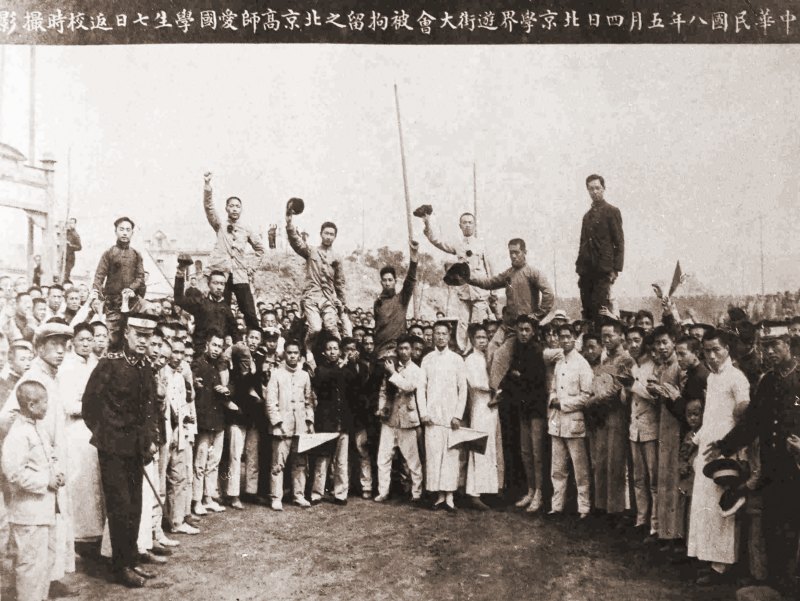
6. The formation of the May 4th movement was a response to which event?
Arrest of Sun Yatsen
Death of Sun Yatsen
Treaty of Versailles 1919
Installation of Yuan Shikai as President
The signing of the Versailles Treaty in Paris May 4th 1919 caused uproar in China because the parts of Shandong that had been governed by Germany were given to Japan rather than being returned to Chinese control. The treaty came at the end of WW1.
Students of Beijing Normal University (arrested at the May Fourth Movement) returned to the university on May 7th, 1919. Available under a Creative Commons License ➚
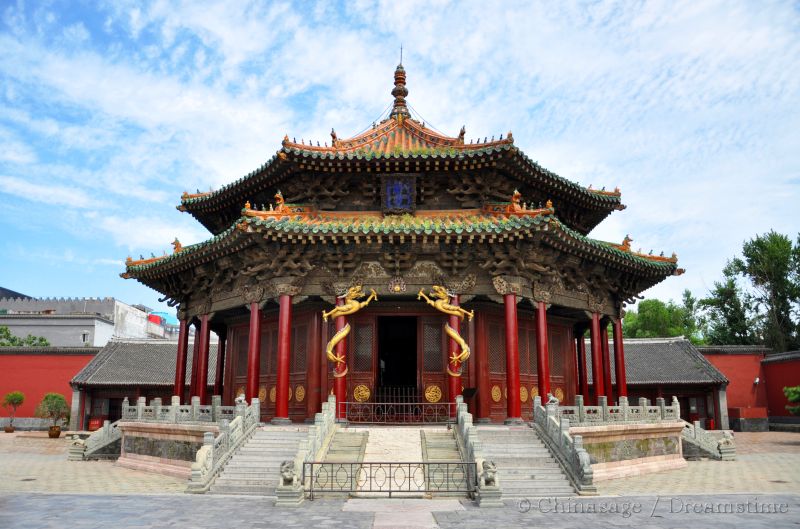
7. Where you can find a smaller version of the Forbidden City?
Xi'an
Guangdong
Hangzhou
Shenyang
The Manchu kingdom built a mini-version of Beijing's Forbidden City before they conquered China in 1644.
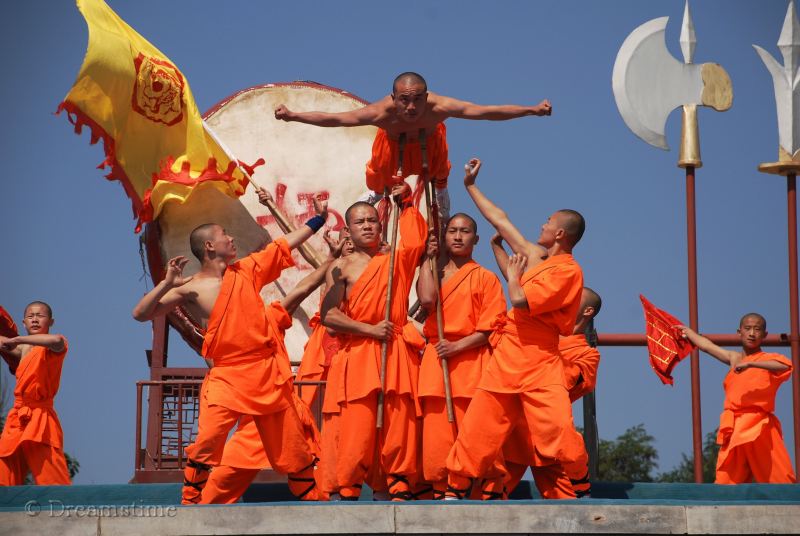
8. The world famous Shaolin monastery for martial arts is located in which province?
Hunan
Henan
Hubei
Shaanxi
Henan attracts many martial arts enthusiasts particularly to Shaolin near Mount Song.
The narrow and winding lanes between traditional courtyard houses are called hutongs 胡同. A few districts remain in Beijing which are famous for their hutongs.
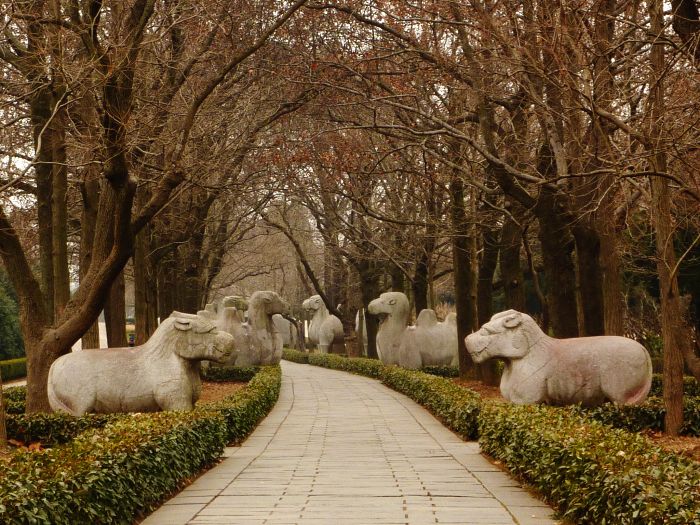
The 2,018 feet [615 meters] long Stone Elephant Road is the first section of the Spirit Way (Shendao) of the Ming Xiaoling Mausoleum. It is lined with several kinds of stone animals - lions, xiezhi, camels, elephants, qilin (Chinese unicorns), and horses. 27th Jan 2011.
Image by User:Vmenkov ➚ available under a Creative Commons license ➚.
10. The number of Imperial eunuchs has at one time reached how many people?
5,000
7,000
70,000
10,000
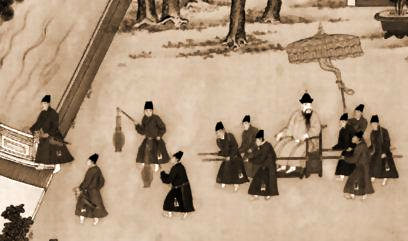
During the Ming dynasty the vast new Forbidden City was home to many thousands of eunuchs engaged in serving the Emperor and administering the Empire.
Ming Emperor Xuande with his imperial eunuchs. 1425-35.
Image by unknown court artist available under a Creative Commons license ➚
11. Jingdezhen is famous for the production of what?
Ink
Moon cakes
Bamboo
Porcelain
It was near Jingdezhen, Jiangxi that the first deposits of kaolin (China Clay) were discovered and exploited. Huge amounts of porcelain have been produced there since the Song dynasty
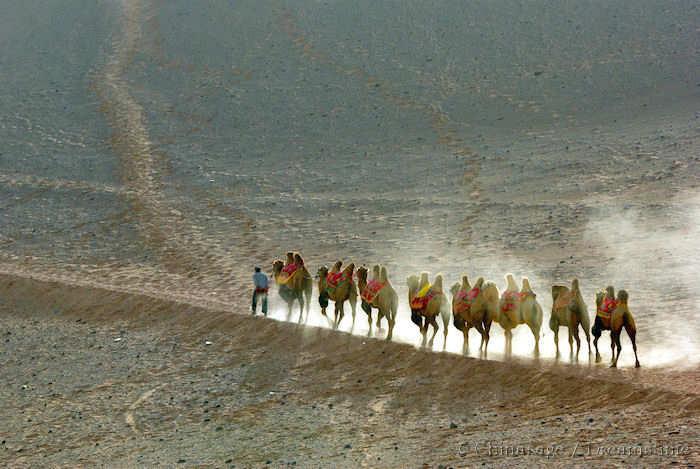
The provinces in China's far north-west are very dry and receive very little rainfall.
13. Amber is considered a potent medicine because it was thought to contain the essence of a what?
tiger
monkey
red dragon
turtoise
Its orange color has led to an association with tigers. There is an ancient belief that the spirit of a tiger goes back into the earth on its death to form amber.
14. You may hear that 'guanxi' is very important in China what is it?
saving 'face'
travel permit
social network
formal banquet
Many Chinese spend considerable effort to cultivate a network of people that they may call upon at some time for a favor. A contact may get you a job, discounted prices or promotion.
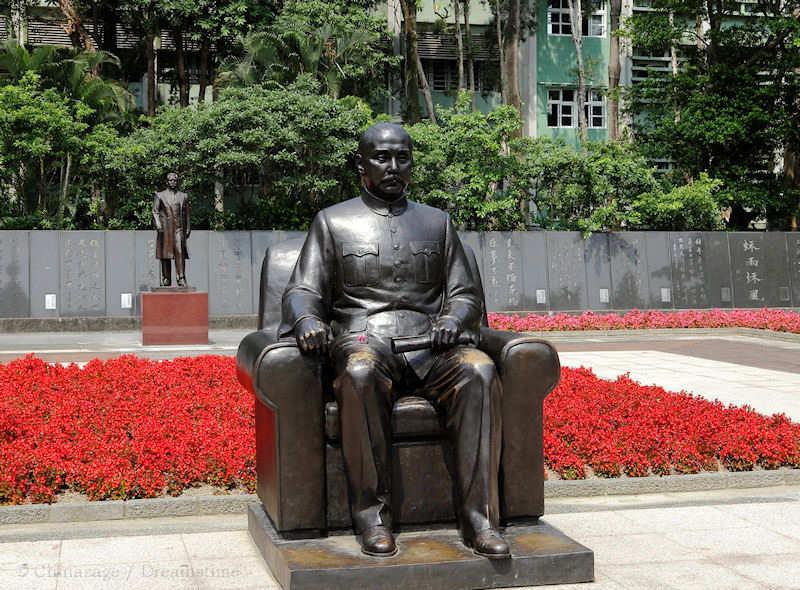
Sun Yatsen was born in furthermost southern China - at Cuiheng, Guangdong in 1866. He had a brother living in Hawai'i, and at the age of 12 joined him there to escape poverty and was then educated at a Hawai'ian school and converted to Christianity. He returned to China for an arranged marriage and studied medicine at Hong Kong, graduating as a doctor in western medicine in 1892.
Statue of Dr. Sun Yatsen at memorial hall in Taipei, Taiwan
16. The Meiji restoration was an important event in which neighboring country?
Korea
Japan
Burma
Mongolia
The Meiji system of 1868 allowed Japan to rapidly modernize and so provided a blueprint as to how an Asian country could catch up and take on the European powers.
17. An explosion on 12th September 2015 killed 173 people, in which city did it happen?
Ningbo
Shanghai
Guangzhou
Tianjin
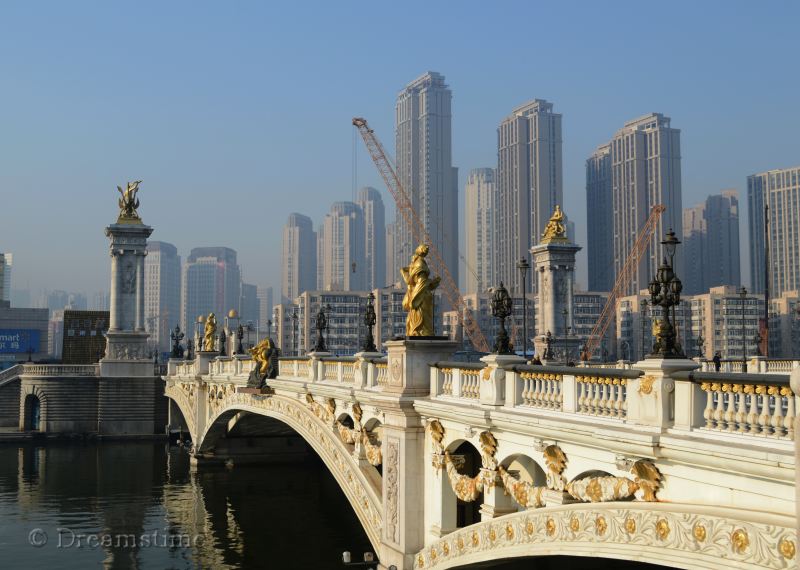
The large explosion at a storage depot at Binhai, Tianjin led to 173 deaths and 797 non-fatal injuries.
18. The Yangzi River is one of the longest rivers in the world, where does it stand in the world rankings for length?
1st
3rd
4th
6th
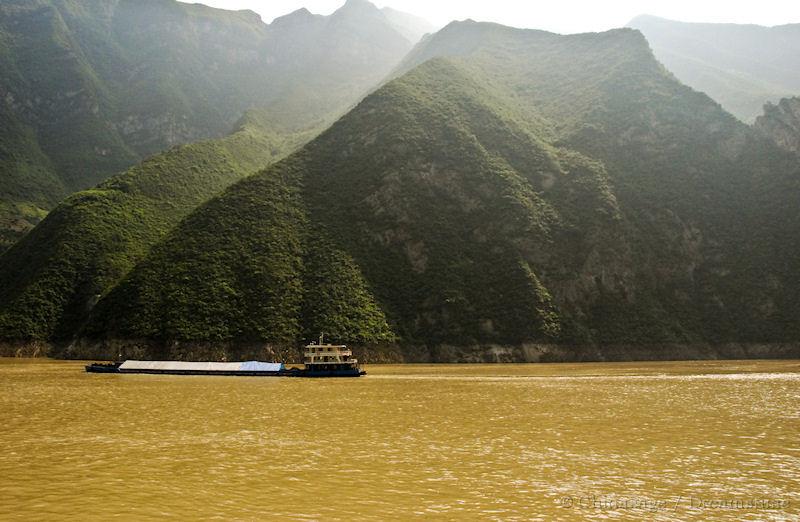
The Yangzi river is the 3rd longest river in the world (3,917 miles) after the Nile (4,130 miles) and Amazon ( 3,976 miles) rivers.
Barge on the Yangzi river near the Three Gorges dam
19. What is the name of the range of mountains separating Tibet and Xinjiang provinces?
Wudang
Tian
Kunlun
Daxue
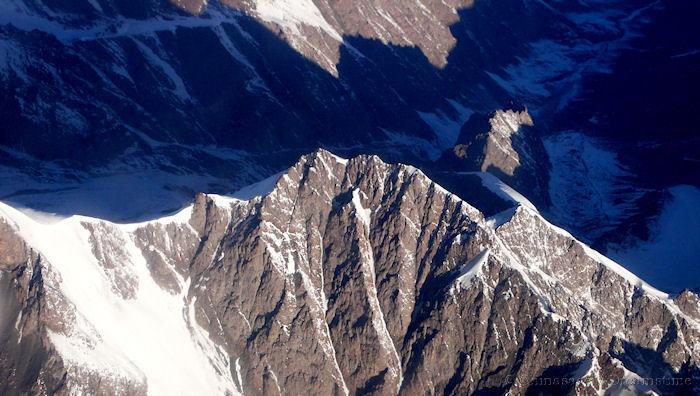
The Kunlun mountains have had a strong presence in Chinese legends. The Queen Mother of the West is said to have her palace there, and for centuries precious jade was mined there.
20. Du Fu, the famous Tang poet had a thatched cottage that can still be seen where?
Beijing
Haikou
Hangzhou
Chengdu
Du Fu held an appointment at Chengdu in Sichuan towards the end of his life. There is a commemorative museum that can be visited.

 Intermediate level quiz about the geography, history, traditions and language of China (4)